Home / Give care
For family members, friends & DSPsJoin the support team of someone you know.
If you already show up for someone — a brother, a neighbor, a friend from work — you may be able to do that as a paid Direct Support Professional (DSP). giv.care employs you, trains you and handles the paperwork, so the relationship stays at the center.
A paid DSP role depends on the individual’s eligibility, the services authorized in their plan, the service type, your relationship to them and your qualifications. Nothing on this page is a job offer.

What a DSP does.
A Direct Support Professional helps a person live the life they choose — at home and in the community — following the services authorized in their plan.
- Support daily routines at home
- Build skills toward the person’s goals
- Go with them into the community
- Support communication and choice
- Follow the Person-Centered Support Plan
- Record each visit and write a shift note
- Notice and report changes or concerns
- Respect privacy, dignity and rights
Natural support and paid support aren’t the same thing.
Natural support
The help family and friends give because they care — dinner on Sundays, a ride to the store, a phone call when things are hard. It’s unpaid, it’s flexible, and it stays that way.
Paid, authorized support
Specific services written into the person’s plan and authorized for a provider. As a giv.care DSP you provide those services during scheduled shifts, record them and are paid for them as an employee.
Being paid for some support doesn’t mean every hour you spend together is a shift. Only authorized services, delivered and documented, are paid.
It depends on four things.
Whether you can be paid to support a particular person isn’t a yes-or-no question about you alone.
The individual
Their eligibility for DSPD services and Utah Medicaid.
The service
Which service it is, and whether it’s authorized in their plan for giv.care.
Your relationship
Spouses, parents and guardians have narrower rules than other relatives and friends.
You
Background screening, training and the other employment requirements.
Siblings, cousins, aunts, uncles
Under the Community Supports Waiver, relatives may provide services they qualify for.
Friends and neighbors
People the individual trusts, who meet the same requirements as anyone else.
Parents, guardians and spouses
Supported Living only, in limited “extraordinary care” situations, up to 40 hours a week.
Source: Community Supports Waiver application, Appendix C. Other programs have different rules. We confirm what applies before anyone is offered a role.
Direct support is professional work. We treat it that way.
W‑2 employment
You’re a giv.care employee, not a contractor. We run payroll, withholding and W‑2s.
Scheduling
Shifts are planned with the family within the hours authorized in the plan.
EVV & documentation
Utah Medicaid requires electronic visit verification for many in-home services. You’ll record each visit and complete a shift note.
Supervision
A giv.care supervisor checks in, reviews documentation and helps when something changes.
Training
Required training is assigned and tracked for you, with time to complete it.
Same standards for everyone
Family and friend DSPs meet the same screening, training and documentation standards as any other employee.
What you’ll need.
Clear expectations, up front.
Background screening
Utah requires a background check through the Department of Health and Human Services for people who work directly with the individuals they support. It covers criminal history and abuse registries. Please tell us about any past charges up front; some records need additional review by the state.
Training
For DSPD services, provider staff complete training on a schedule. It generally includes emergency procedures and first aid, abuse and neglect reporting, rights, medications and person-specific training in the first 30 days; CPR certification within 90 days; and crisis-intervention training within six months, followed by continuing training each year.
Source: CSW application, provider qualifications. Your exact requirements depend on the service.
Age
Minimum ages depend on the service. Ask us about your situation.
A smartphone
You’ll use your phone for scheduling, visit verification and shift notes.
Documentation
Every visit is recorded and every shift gets a note describing the support provided. Accurate records protect the person, protect you and keep the services funded.
Professional expectations
Show up for scheduled shifts, provide only the services in the plan, protect the person’s privacy and rights, report concerns, keep training current and follow giv.care’s code of conduct — even when the person is family.
How pay works.
There isn’t one DSP pay rate. Pay depends on the service, your qualifications and the hours authorized in the individual’s plan.
- The service involved. Different authorized services can pay differently.
- Your qualifications and any specialized training the service requires.
- Authorization. You’re paid for authorized services you deliver and document — hours come from the individual’s plan.
- Transportation and mileage. Transportation provided during an authorized service may be treated differently from employee mileage reimbursement. Before using a personal vehicle while working, ask the giv.care team which trips are permitted, what documentation is required and whether mileage reimbursement applies. Medicaid billing and employee reimbursement are separate questions.
Any estimate we give is not a job offer or a guarantee of hours or pay. A role depends on the individual’s eligibility and authorization, the service, your relationship to them and your qualifications.
Four steps to your first shift.
Tell us who you’d support
A short form about you and the person — no health details.
Talk with our Utah team
We confirm the person’s services and whether your relationship can be paid for them.
Screening and training
Background check, required training and onboarding.
Begin supporting
Once the services are authorized for giv.care and you’re cleared to work.
No job, hours or start date is promised until authorization, your onboarding and setup are complete.
Your tools.
Caregiver Directory
Need more clients? Create a profile so families in your area can find you.
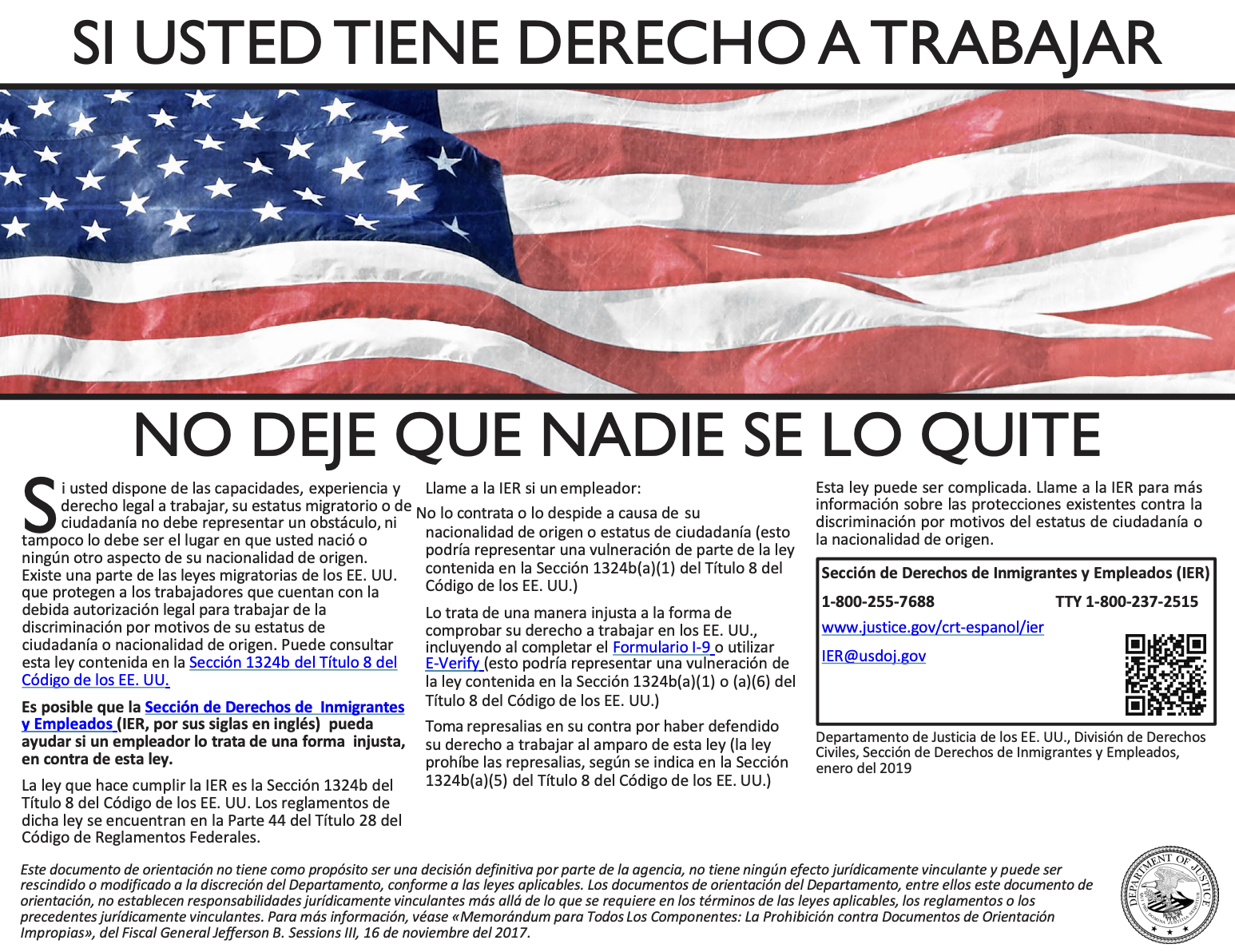
Right to Work
Employee rights notices, in English and Spanish:

This is professional work, and you’ll be supported.
Tell us who you’d like to support. We’ll confirm what’s possible and guide you from there.